AI Integration Problem: The Real Challenge in Transformation
AI integration problem is critical for successful transformation in businesses. Discover how to bridge the gap effectively.
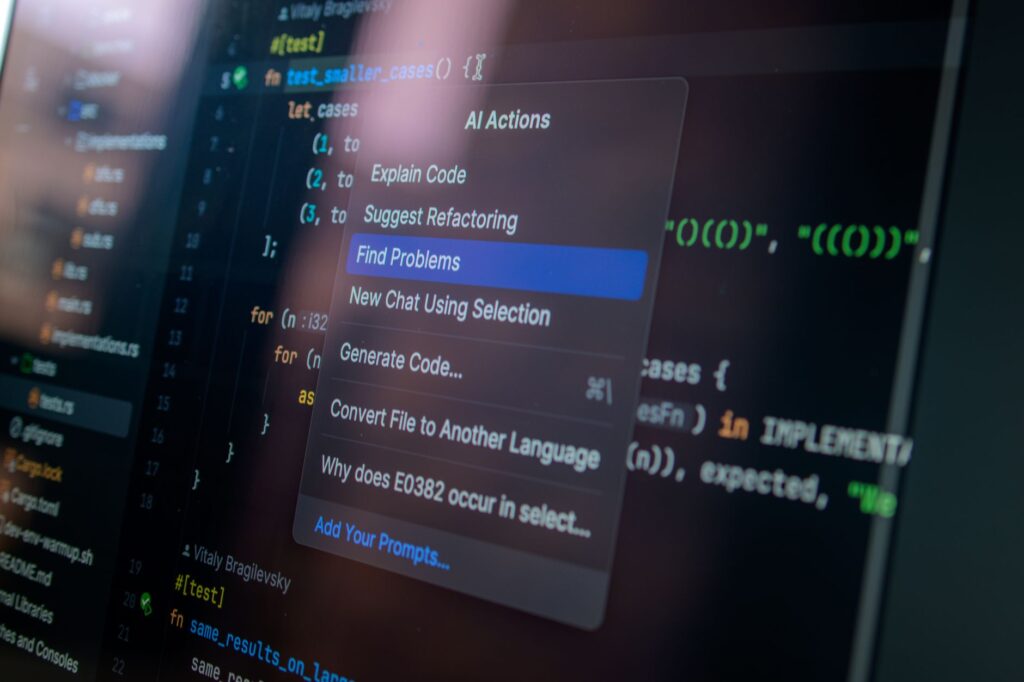
The AI integration problem is a significant barrier to successful transformation in many organizations. Understanding this issue is crucial for leveraging AI effectively.
Understanding the AI Integration Problem
The AI integration problem is a significant barrier that many organizations face when attempting to implement artificial intelligence solutions. Despite having access to advanced technologies and data, businesses often struggle to effectively integrate AI into their existing systems and workflows.
Several factors contribute to this integration challenge, including:
- Data Silos: Organizations frequently operate with fragmented data, making it difficult to leverage AI effectively.
- Lack of Skills: There is often a gap in the necessary skills and knowledge among employees to utilize AI tools properly.
- Resistance to Change: Employees may be hesitant to adopt new technologies, fearing job displacement or disruption of established processes.
Ultimately, understanding and addressing the AI integration problem requires a comprehensive strategy that encompasses not only technology but also organizational culture and employee engagement. Without overcoming these hurdles, the potential of AI remains largely untapped.
Why Integration Matters More Than Models
In the rapidly evolving landscape of technology, the AI integration problem has emerged as a significant barrier to successful transformation. While organizations often invest heavily in advanced models and cutting-edge algorithms, the real challenge lies in how these tools are integrated into existing systems and workflows. Proper integration is crucial for several reasons:
- Seamless Workflow: Integrating AI into business processes ensures that teams can leverage data and insights efficiently.
- User Adoption: If AI tools are difficult to use or incompatible with current systems, employees may resist adopting them.
- Data Consistency: Effective integration helps maintain data integrity and consistency across platforms, which is vital for accurate decision-making.
- Scalability: A well-integrated AI solution can be scaled more easily as business needs evolve.
Ultimately, addressing the AI integration problem is essential for organizations aiming to harness the full potential of artificial intelligence.
Key Challenges in AI Implementation
The integration of artificial intelligence into existing systems presents several key challenges that organizations must navigate. First and foremost, companies often struggle with data silos, where critical information is trapped in various departments, making it difficult to harness AI effectively. Additionally, legacy systems can complicate the integration process, as outdated technology may not support modern AI tools.
Another significant hurdle is the lack of skilled personnel who can bridge the gap between AI capabilities and practical application. Many organizations find themselves in need of experts who understand both the technical aspects of AI and the specific needs of the business.
Furthermore, cultural resistance within teams can impede progress, as employees may be hesitant to adopt new technologies. To overcome these challenges, businesses must prioritize cohesive strategies that address the AI integration problem head-on, ensuring that all facets of the organization are aligned with the goals of AI implementation.
Strategies for Effective AI Integration
To address the AI integration problem, organizations must adopt comprehensive strategies that enhance collaboration between teams and technologies. Here are some effective approaches:
- Cross-Functional Teams: Establishing teams that combine IT, data science, and business units promotes shared understanding and faster problem-solving.
- Iterative Development: Implementing AI solutions in small, manageable increments allows for continuous feedback and adjustment, reducing the risk of large-scale failures.
- Training and Education: Providing ongoing training for employees ensures that they are equipped to work with new AI tools and understand their implications.
- Clear Objectives: Defining measurable goals for AI projects helps align efforts and resources towards a common purpose, ensuring that integration is more strategic.
By emphasizing these strategies, organizations can effectively navigate the complexities of AI integration, ultimately leading to successful transformation.
Case Studies of Successful Integrations
Several organizations have successfully navigated the AI integration problem by adopting innovative strategies tailored to their unique environments. A notable example is Company X, which leveraged AI to streamline its supply chain operations. By integrating predictive analytics, Company X reduced delays by 30% within six months.
Another case is Company Y, which implemented AI-driven customer service solutions. The integration of chatbots not only enhanced customer satisfaction but also decreased operational costs by 20%. This success was attributed to a thorough understanding of integration needs and employee training.
Lastly, Company Z focused on data interoperability across departments, enabling seamless AI applications in marketing and sales. This approach led to a 15% increase in revenue, showcasing the power of effective integration over mere model deployment.
These case studies illustrate that addressing the AI integration problem head-on can yield substantial benefits, proving that success lies in the execution rather than just the technology itself.
The Future of AI in Business
The future of AI in business hinges on overcoming the AI integration problem that many organizations face today. As companies strive to harness the power of artificial intelligence, they must recognize that successful implementation goes beyond just adopting new technologies; it requires a cohesive strategy that aligns AI capabilities with existing systems and workflows.
To ensure long-term success, businesses should consider the following:
- Continuous Learning: Organizations must foster a culture of learning where employees are trained to work with AI tools and understand their implications.
- Collaborative Frameworks: Integration should involve cross-departmental collaboration to ensure that AI initiatives meet the needs of various stakeholders.
- Scalability: Solutions should be designed with scalability in mind, allowing businesses to adapt and grow as AI technologies evolve.
By addressing the AI integration problem head-on, businesses can create a future where AI enhances productivity, drives innovation, and ultimately transforms operations for the better.
Conclusion: Bridging the AI Gap
In conclusion, the AI integration problem stands as a critical barrier to harnessing the full potential of artificial intelligence in modern businesses. As organizations strive to undergo digital transformation, the emphasis must shift from merely developing sophisticated models to ensuring these models are seamlessly integrated into existing workflows.
The success of AI initiatives hinges on overcoming the integration challenges that impede progress. Companies must acknowledge that technology alone cannot drive transformation; a holistic approach involving people, processes, and technology is essential. Emphasizing collaboration between IT and business units fosters a culture of innovation, enabling teams to adapt and respond to evolving demands.
Furthermore, investing in training and development ensures that employees are equipped to work alongside AI tools effectively. By prioritizing integration, businesses can bridge the AI gap, transforming potential obstacles into opportunities for growth and enhancing their competitive edge in an increasingly digital landscape.
Photo by Daniil Komov on Pexels





1 thought on “AI Integration Problem: The Real Challenge in Transformation”